|
|
|
|
|
Part I: Pharmacognosy 101 1. Background to Pharmacognosy 2. Traditional Medicine 3. Areas of Science Embraced by Pharmacognosy: Constituent Sciences of Pharmacognosy 4. Plant Anatomy and Physiology 5. Plant Constituents: Carbohydrates, Oils, Resins, Balsams, and Plant Hormones 6. Plant Crude Drugs Part II: Plant Metabolites: Their Chemistry 7. Evolutionary Perspectives on the Role of Plant Secondary Metabolites 8. Glycosides 9. Alkaloids 10. Tannins 11. Terpenoids 12. Other Plant Metabolites 13. Vitamins Part III: Plant Metabolites: Their Effects 14. Chemotherapeutics 15. Bioactive Plant Molecules, Sources and Mechanism of Action in the Treatment of Cardiovascular Disease 16. Plant Metabolites and More Treating Various Ailments: Natural Products Treating Diseases 17. Psychoactive Drugs Part IV: Metabolites from Other Sources 18. Marine Metabolites: Oceans of Opportunity 19. Animal Metabolites: From Amphibians, Reptiles, Aves/Birds, and Invertebrates 20. Fungal Metabolites Part V: Crude Drugs from Animals 21. Fats 22. Waxes Part VI: Basic Animal Anatomy and Physiology 23. Form and Function of the Animal Cell 24. Proteins 25. Pharmacokinetics 26. Pharmacodynamics - A Pharmacognosy Perspective 27. Drug Metabolism Part VII: Technological Applications Using Biological Systems 28. Biotechnology Part VIII: Current Trends in Pharmacognosy Research 29. Natural Product Structure Elucidation by NMR Spectroscopy 30. Metabolomics Approach in Pharmacognosy 31. Novel Targets in Drug Discovery 32. Nanotechnology: Building and Observing at the Nanometer Scale 33. Ethical Aspects of Working With Local Communities and Their Biological Resources 34. Factors to Consider in Development of Nutraceutical and Dietary Supplements 35. The Global Regulatory Framework for Medicinal Plants 36. The Potential Role of Bioscience Industries in Small Developing Economies |
| 출처 : 알라딘 |
|
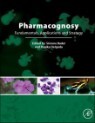
Pharmacognosy: Fundamentals, Applications and Strategies (Paperback) - Simone Badal Mccreath |
| 출처 : 알라딘 |
|
|
|
|